
IST Resolves ₦1 in Cases as Ethiopia Understudies Nigeria’s Capital Market Model
The Investments and Securities Tribunal (IST) has resolved disputes valued at over ₦1 trillion since its inception, Chairman Hon. Aminu Junaidu revealed during a high-level bilateral meeting in Abuja.
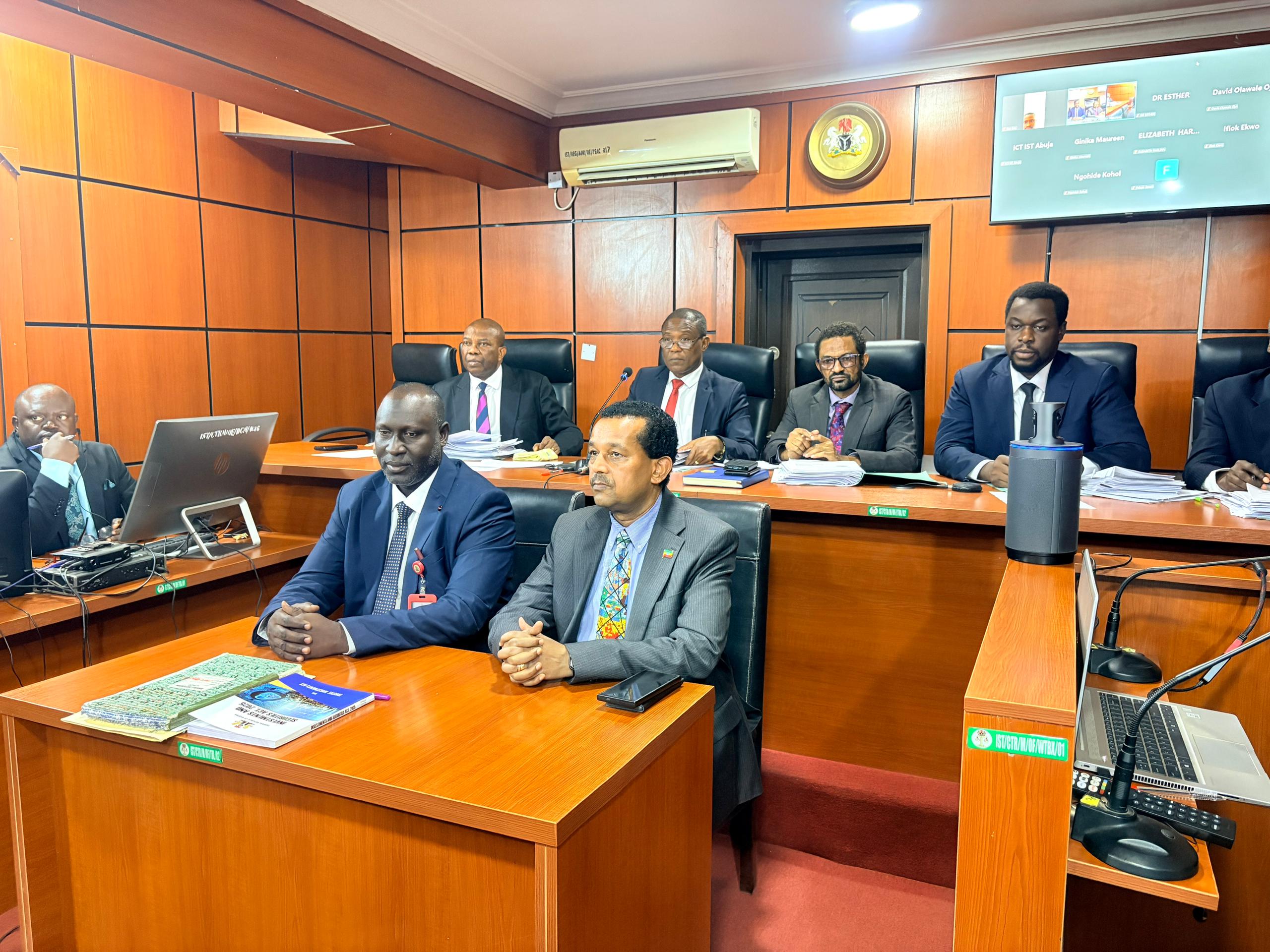
The disclosure was made as the Tribunal hosted a delegation from the Ethiopian Capital Market Authority (ECMA). The Ethiopian officials are currently in Nigeria to study the IST’s operational framework with the intent of replicating the specialized judicial model in Ethiopia.
A Model for Emerging Markets
Chairman Junaidu emphasized that a well-structured tribunal acts as a “cornerstone for capital market development” by providing accessible justice for both individual investors and corporate entities.
”For emerging and developing markets across Africa, the Tribunal offers a useful model,” Junaidu stated. “It demonstrates the value of specialized dispute resolution mechanisms that integrate legal and financial expertise.”
To maintain investor trust, Junaidu highlighted several key operational strengths of the IST:
- Technological Integration: The Tribunal is technologically driven, allowing for matters to be heard online.
- Alternative Dispute Resolution (ADR): A dedicated ADR center handles small claims specifically through mediation.
- Efficiency: The Tribunal is legally empowered to deliver decisions within 90 days of a hearing.
Procedural Efficiency and “Front-Loading”
Hon. Felix Onwuneme, a member of the Tribunal, advised the Ethiopian delegation on the importance of procedural efficiency. He specifically recommended the adoption of “front-loading,” a process where litigants submit their full arguments in writing for adoption before the formal hearing. This practice, he noted, significantly reduces the time spent on oral arguments and accelerates the judicial process.
Why Ethiopia Chose Nigeria
Rahel Kassa, Deputy Director General of the Ethiopian Capital Market Authority and leader of the delegation, explained that Nigeria was selected as a case study due to its extensive experience in capital market regulation.
Kassa noted that Nigeria’s ability to dispose of cases in a timely manner while upholding market standards and maintaining systemic peace was a primary motivator for the visit.
The engagement concluded with a technical session where the Ethiopian delegation reviewed the IST’s composition and its Rules of Procedure, seeking to adapt these elements for the burgeoning Ethiopian financial landscape.
