
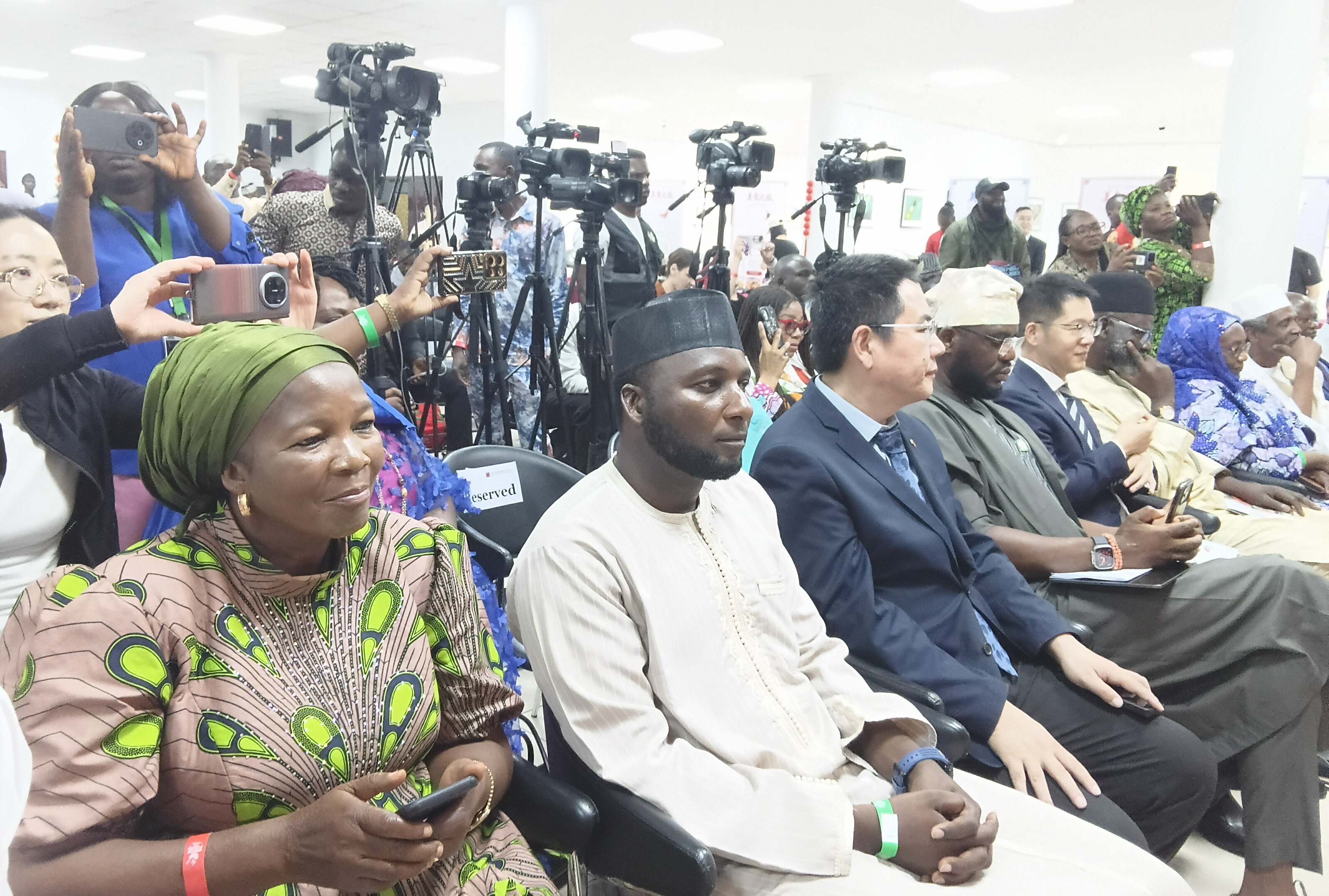
Nigeria-China Food Festival Showcases Culinary Heritage, Economic Opportunities
Nigeria and China have reaffirmed its commitment to strengthening cultural, economic and people-to-people relations through the Nigeria-China Food Festival, held under the theme, “From Farm to Feast.”
The event brought together government officials, diplomats, tourism stakeholders, cultural practitioners and culinary experts from both countries to celebrate their rich food traditions and deepen bilateral cooperation.
Speaking at the festival, Chargé d’Affaires of the Chinese Embassy, Zhou Hongyou, described food as central to daily life and cultural identity, noting that every dish reflects a nation’s history and the values of its people.
He said the festival was more than a culinary showcase, describing it as a meeting of cultures designed to foster understanding and friendship between Nigeria and China.
Zhou highlighted China’s diverse culinary heritage, explaining that the country’s seven major regions developed distinct food cultures based on differences in climate, local produce and lifestyles.
He noted that guests would have the opportunity to sample 14 dishes representing China’s regions, while Chinese officials were equally eager to experience dishes from Nigeria’s six geopolitical zones.
According to him, the event also featured cultural performances and exhibitions aimed at strengthening mutual appreciation between the peoples of both countries.
The Chinese diplomat said the festival coincided with a significant period in Nigeria-China relations, noting that bilateral cooperation had continued to expand across several sectors.
He cited growing trade relations between both countries and expressed optimism that initiatives such as China’s zero-tariff policy for African countries with diplomatic relations with Beijing would create new opportunities for Nigerian exports.
Zhou further emphasized the importance of educational, cultural, artistic, sports and youth exchanges in strengthening ties between the two nations and pledged China’s continued support for deeper cooperation and people-to-people engagement.
Representing the Minister of Arts, Culture, Tourism and Creative Economy, Hannatu Musawa, the Permanent Secretary of the ministry, Abdulkarim Ibrahim, said food serves as a universal language that nourishes people, preserves heritage and promotes social cohesion.
He noted that the festival underscored the growing cultural relationship between Nigeria and China, which he said has evolved into a comprehensive strategic partnership covering trade, infrastructure, education, technology and culture.
According to Ibrahim, cultural exchanges have become increasingly important in strengthening bilateral relations, citing the growing popularity of Nigerian creative content in China and rising interest in Chinese cultural expressions in Nigeria.
He said the Ministry of Arts, Culture, Tourism and Creative Economy was focused on positioning culture and tourism as key drivers of economic growth, job creation and international visibility for Nigeria.
The permanent secretary also highlighted the significant role of food and beverages in Nigeria’s tourism sector, noting that culinary experiences have become a major attraction for domestic tourism.
He said festivals such as the Nigeria-China Food Festival provide valuable opportunities for chefs, food entrepreneurs, hospitality businesses and cultural practitioners to expand their networks, access new markets and showcase Nigeria’s cultural identity through cuisine.
Also speaking, Director-General of the National Institute for Hospitality and Tourism (NIHOTOUR), Abisoye Fagade, described food as one of the most powerful tools for cultural storytelling and economic development.
He said the “From Farm to Feast” theme reflected the journey from producers to consumers while connecting cultural identity with economic opportunity.
Fagade noted that while Chinese cuisine has achieved global recognition, Nigeria also has the potential to project its rich culinary heritage internationally.
According to him, the festival provided a platform for Nigerians and Chinese to engage through food, music, arts, crafts and hospitality, while supporting broader objectives of cultural exchange and enterprise development.
He said NIHOTOUR’s mandate includes building a skilled workforce capable of driving growth in Nigeria’s tourism and hospitality industries, stressing that food tourism represents a major opportunity for the country.
Fagade highlighted Nigeria’s diverse culinary offerings and called for greater efforts to package, standardize and promote local cuisine while preserving its authenticity.
He commended the Chinese Embassy, the Chinese Cultural Centre and the Federal Ministry of Arts, Culture, Tourism and Creative Economy for supporting initiatives designed to advance cultural diplomacy and tourism development.
Delivering a goodwill message, Artistic Director and Chief Executive Officer of the National Troupe of Nigeria, Hajia Kaltume Bulama Gana, emphasized the role of music and performance in complementing cultural celebrations.
She said music transcends language barriers and that the fusion of traditional Nigerian and Chinese musical expressions symbolized mutual respect and shared cultural values.
Bulama Gana expressed confidence that the collaboration between the National Troupe of Nigeria, NIHOTOUR and the Chinese Cultural Centre would further strengthen cultural bonds and deepen friendship between both nations.
The festival featured Nigerian and Chinese cuisines, cultural performances, exhibitions and interactive experiences designed to promote intercultural understanding and celebrate the longstanding relationship between the two countries.
