
Nigeria-Sweden Pledge To Deepen Ties In Renewable Energy, Trade
The Federal Government of Nigeria and the Kingdom of Sweden have committed to expanding bilateral cooperation across key economic sectors, including renewable energy, digital technology, and regional security.
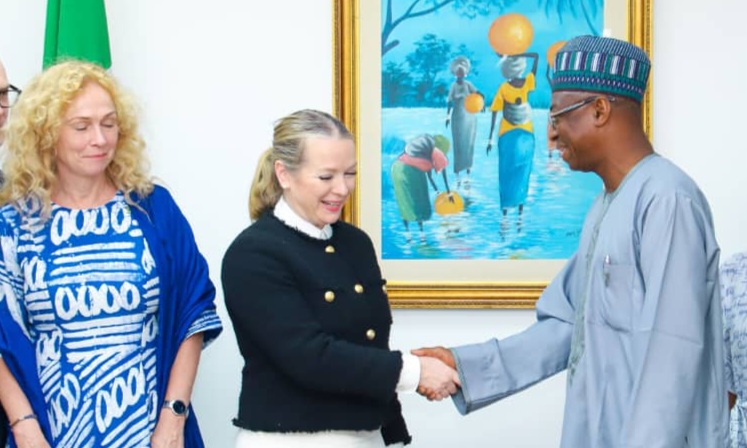
The agreement was reached during a high-level meeting in Abuja between the Permanent Secretary of the Ministry of Foreign Affairs, Amb. Dunoma Umar Ahmed, and the Swedish Secretary of State, Her Excellency Diana Janse.
Strengthening Economic and Digital Ties
Central to the discussions was the role of Swedish innovation in Nigeria’s infrastructure. Both parties highlighted the contributions of major Swedish firms like Ericsson and Scania. A notable project mentioned was the ongoing initiative to supply biogas-powered buses to Lagos State, a move both officials described as a milestone for sustainable development and green innovation.
Ambassador Ahmed commended the impact of Swedish companies on the Nigerian economy and urged further investment through the Swedish Trade Office in Lagos. He specifically identified healthcare, manufacturing, agriculture, and digital transformation as priority areas for future collaboration.
Cultural Repatriation and Security
In a significant diplomatic gesture, the Swedish government reaffirmed its commitment to the repatriation of Benin artefacts. Secretary of State Janse described the return of the items as a vital step toward deepening mutual trust and enhancing cultural ties between the two nations.
Addressing regional concerns, the two leaders exchanged views on the security situation in the Sahel and West Africa. Sweden pledged continued solidarity with Nigeria, promising to support peace and stability through humanitarian and development initiatives aimed at tackling terrorism and transnational crime.
Overcoming Trade Barriers
The meeting also addressed practical hurdles to bilateral trade, specifically challenges surrounding international financial transactions. Both delegations agreed to explore new mechanisms to establish more secure and efficient banking channels to facilitate smoother investment flows.
On the multilateral front, Nigeria sought Sweden’s support for its candidacies in various international bodies, including the United Nations Human Rights Council. The Swedish delegation noted the request, stating that diplomatic consultations on the matter would continue.
The session concluded with both parties expressing satisfaction with the current trajectory of Nigeria-Sweden relations and a mutual pledge to expedite pending bilateral agreements.
